DATABASE_ARCHIVE // DIRECT_LINK
[ THE WIRETAP ]
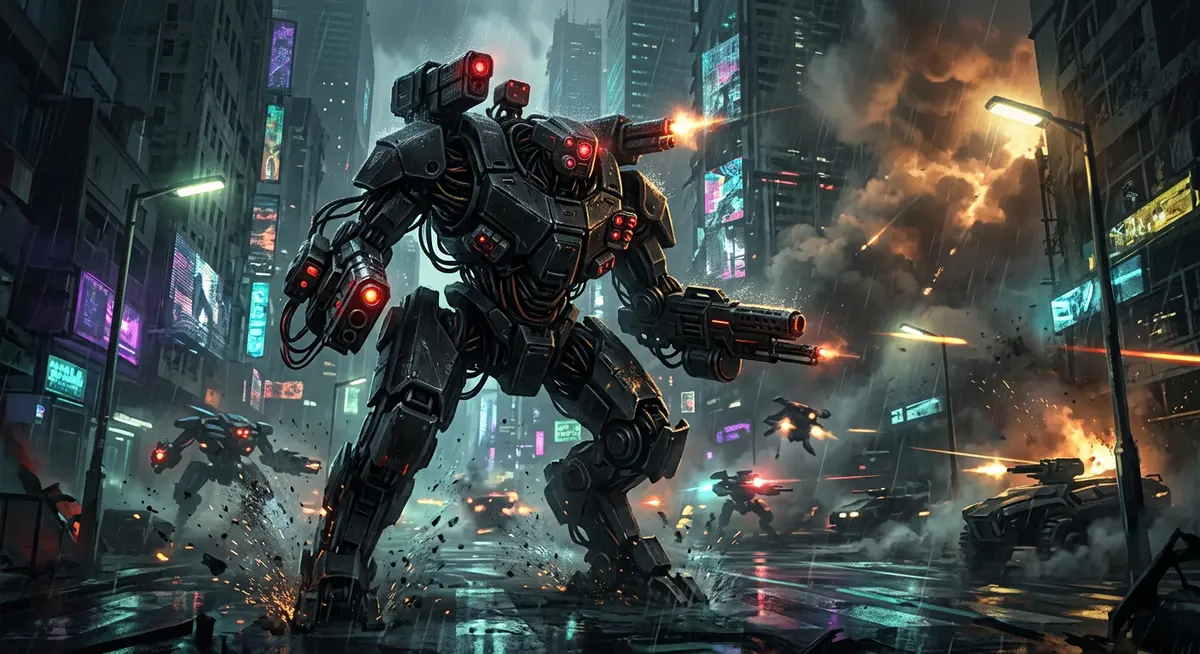
Autonomous systems are rapidly escalating the global conflict blueprint, blurring lines across land, orbit, and network.
[ THE DISPATCH ]
The global strategic blueprint is under aggressive rewrite, driven by the rapid proliferation of advanced multi-domain capabilities, increasingly powered by self-governing technology. On the kinetic front, Tehran’s operators are deploying asymmetric vectors: drone swarms, naval sabotage cells, and direct strikes on critical energy conduits and maritime traffic lanes, all calibrated to test adversary resolve and probe defensive gaps. NATO installations have felt the pressure, a clear signal of intent. Concurrently, the operational envelope for autonomous combat platforms is expanding. Airbus is moving AI-piloted drone wings, like the Kratos XQ-58A Valkyrie, into human-machine teaming protocols, multiplying kinetic options for forces such as the German Air Force. This technological arms race punches through the atmospheric ceiling. Beijing has reactivated its orbital launch cadence, deploying components for the Guowang orbital network grid and covert Shiyan-30 tech-demonstrators. These missions aren't just about presence; they're about enhancing signal interception, remote gaze capabilities, and formation flight autonomy, signifying an aggressive orbital land grab to meet ambitious launch targets. But the real storm brews unseen, in the data streams. AI agents are now deploying autonomous attack chains. Top-tier AI models are cracking corporate perimeters, orchestrating multi-stage network intrusions, their effectiveness scaling directly with processing power and model evolution. Successive AI generations are matching, even outpacing, human operators in precision and speed.
[ THE CASUALTIES ]
[ THE DECRYPT ]
Forget the sci-fi movies; this is real. Powerful automated systems, powered by advanced artificial intelligence, are now the frontline tools for governments to wage conflict. They can pilot advanced attack drones, spy on us from newly launched satellites, and even autonomously hack into major companies and vital services. This means our world is becoming far less stable, with potential conflicts emerging faster and in more unexpected ways, threatening everything from your internet access to the cost of everyday goods, all without a human needing to pull a trigger.
Autonomous Apex Predators: AI Warfare Ignites All Fronts
<< RETURN_TO_MAIN_CONSOLE
ORIGIN: 2026-03-13 12:01:41
NODE: GHOST_COMMAND // AI_SYNTHESIS
[ THE WIRETAP ]
Autonomous systems are rapidly escalating the global conflict blueprint, blurring lines across land, orbit, and network.
[ THE DISPATCH ]
The global strategic blueprint is under aggressive rewrite, driven by the rapid proliferation of advanced multi-domain capabilities, increasingly powered by self-governing technology. On the kinetic front, Tehran’s operators are deploying asymmetric vectors: drone swarms, naval sabotage cells, and direct strikes on critical energy conduits and maritime traffic lanes, all calibrated to test adversary resolve and probe defensive gaps. NATO installations have felt the pressure, a clear signal of intent. Concurrently, the operational envelope for autonomous combat platforms is expanding. Airbus is moving AI-piloted drone wings, like the Kratos XQ-58A Valkyrie, into human-machine teaming protocols, multiplying kinetic options for forces such as the German Air Force. This technological arms race punches through the atmospheric ceiling. Beijing has reactivated its orbital launch cadence, deploying components for the Guowang orbital network grid and covert Shiyan-30 tech-demonstrators. These missions aren't just about presence; they're about enhancing signal interception, remote gaze capabilities, and formation flight autonomy, signifying an aggressive orbital land grab to meet ambitious launch targets. But the real storm brews unseen, in the data streams. AI agents are now deploying autonomous attack chains. Top-tier AI models are cracking corporate perimeters, orchestrating multi-stage network intrusions, their effectiveness scaling directly with processing power and model evolution. Successive AI generations are matching, even outpacing, human operators in precision and speed.
[ THE CASUALTIES ]
- NATO Perimeter: Under persistent pressure from asymmetric kinetic probes.
- Global Corporate Networks: Vulnerable to escalating, autonomous AI-driven intrusions.
- Geopolitical Stability: Undermined by multi-domain asymmetric power projection and escalating technological arms race.
- Traditional Combat Doctrine: Obsolete as human-machine teaming protocols redefine kinetic engagement.
- Space Domain Integrity: Contested by rapid orbital infrastructure expansion and enhanced strategic capabilities.
[ THE DECRYPT ]
Forget the sci-fi movies; this is real. Powerful automated systems, powered by advanced artificial intelligence, are now the frontline tools for governments to wage conflict. They can pilot advanced attack drones, spy on us from newly launched satellites, and even autonomously hack into major companies and vital services. This means our world is becoming far less stable, with potential conflicts emerging faster and in more unexpected ways, threatening everything from your internet access to the cost of everyday goods, all without a human needing to pull a trigger.